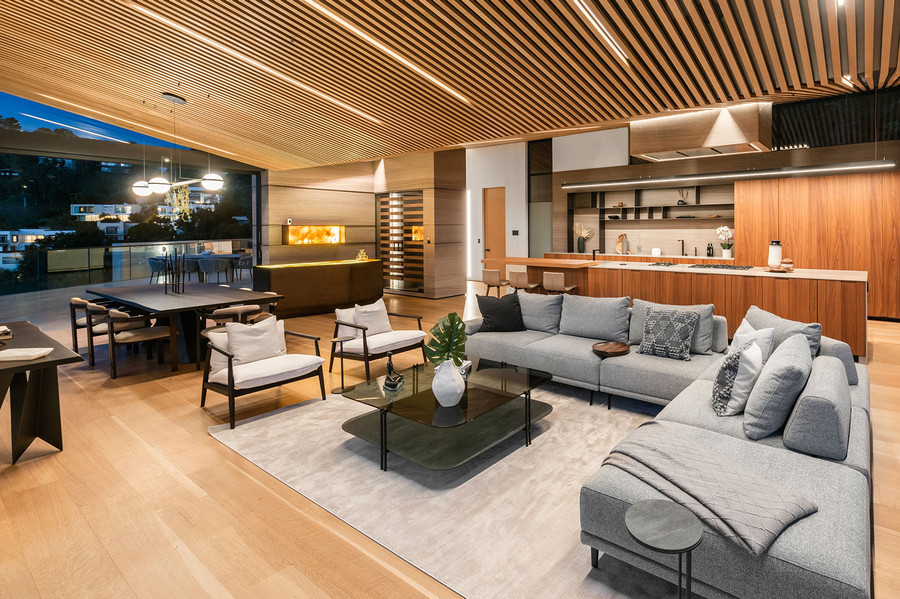

Creating an office worthy of a CEO requires more than just the selection of expensive, high-end furniture. The space needs to embody leadership, vision, and prestige. Additionally, it should exude authority while remaining inviting and offer a setting where strategic decisions are made and meaningful connections are built.
Interior designers emphasize the balance between luxury, functionality, and personal expression when crafting an executive workspace. And by following this guide, so can you. Read on below for a detailed overview on how to furnish an office fit for a CEO:
Crafting the Perfect Layout
The foundation of any executive office lies in its layout. Interior designers often start by assessing the natural flow of movement within the room. Executive desks should be positioned to command attention without feeling imposing; they’re often placed to face the entrance while benefiting from natural light. This arrangement conveys authority while also allowing the CEO occupying it to remain visually connected to the space and the people within it.
Interior designers also create zones within the layout to serve different purposes. This involves designating an area for focused work, a comfortable space for private meetings, and a section dedicated to moments of reflection or creative thought. Each zone should transition seamlessly into the next, ensuring that the office supports the multifaceted demands of leadership.
Choosing Statement Furniture
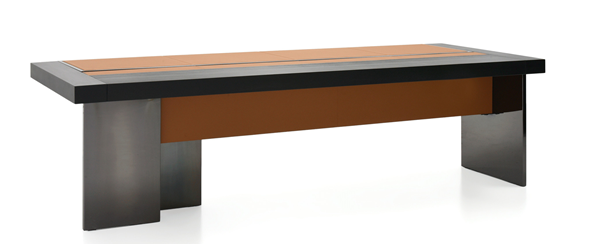
Executive desks are more than work surfaces. They’re symbols of leadership. We propose selecting one with a commanding presence, ideally made from high-quality materials such as solid wood, marble, or glass with metal accents. As for the chair, it should combine elegance with ergonomic support to ensure comfort during long hours while maintaining a polished appearance.
Meeting areas within the office should feature seating that is both stylish and inviting. Plush armchairs or a refined sofa can create a welcoming atmosphere for guests.
Ultimately, the furniture choices should subtly reinforce the company’s identity: sleek and modern pieces suggest innovation, while traditional, handcrafted items convey heritage and stability.
The Power of Color and Materials
Color plays a pivotal role in shaping the mood of an office. Interior designers often recommend deep and rich tones such as navy, charcoal, or espresso, as these shades can create a grounded and sophisticated feel. Meanwhile, accents in gold, brass, or muted metallics can add a sense of refinement without overwhelming the space.
Natural materials such as wood, stone, or leather can help bring warmth and authenticity to a CEO’s office. These textures enhance visual appeal and create a tactile experience that reflects the depth and character of the leader.
Regardless of the choices made, the important thing is to deliberately combine color and material, making sure that it harmonizes with the company’s ethos and the CEO’s personal style.
Incorporating Art and Personal Elements
Every office should tell a story, and one belonging to a CEO is no exception. Art is one of the most effective ways to do so. Interior designers often recommend selecting artwork that reflects the CEO’s values, achievements, or inspirations. Whether it is a contemporary painting, a sculptural piece, or a framed photograph of a pivotal moment, art adds depth and individuality to the space.
Personal touches, such as curated book collections, travel mementos, or carefully chosen decorative items, can humanize the office without compromising its professional atmosphere. Balance is the key; having too many personal items in the office can make it feel cluttered, while having too few may give off an impersonal impression.
Lighting That Sets the Tone
Lighting is one of the most underestimated aspects of office design. However, it can have a profound impact on the ambiance of the space and influence the productivity of the CEO that occupies it.
Designers suggest layering different types of lighting: ambient lighting for overall illumination, task lighting for focused work, and accent lighting to highlight art or architectural features.
Natural light should be maximized wherever possible,as it enhances mood and focus. For this reason, window treatments should allow for flexibility, offering privacy when needed without blocking the flow of daylight. A chandelier, sculptural pendant light, or any similar statement light fixture, can serve as both a functional element and a focal point of the office’s overall design.
Creating a Space for Reflection and Creativity
Beyond the functional demands of meetings and decision-making, a CEO’s office should also be a place for reflection. If space allows, consider incorporating a small seating nook or a contemplative corner with comfortable chairs and a low table. This area can be used for reading, brainstorming, or simply pausing between demanding engagements.
Natural elements, such as potted plants or a small indoor water feature, can bring a sense of calm to the space. These touches help balance the high-energy environment of corporate leadership with moments of quiet focus.
Ultimately, furnishing a CEO’s office is an exercise in aligning the environment with purpose. The space should project authority, foster creativity, and reflect the leader’s vision. When carefully designed, it becomes not just an office, but a stage upon which leadership is both demonstrated and inspired.