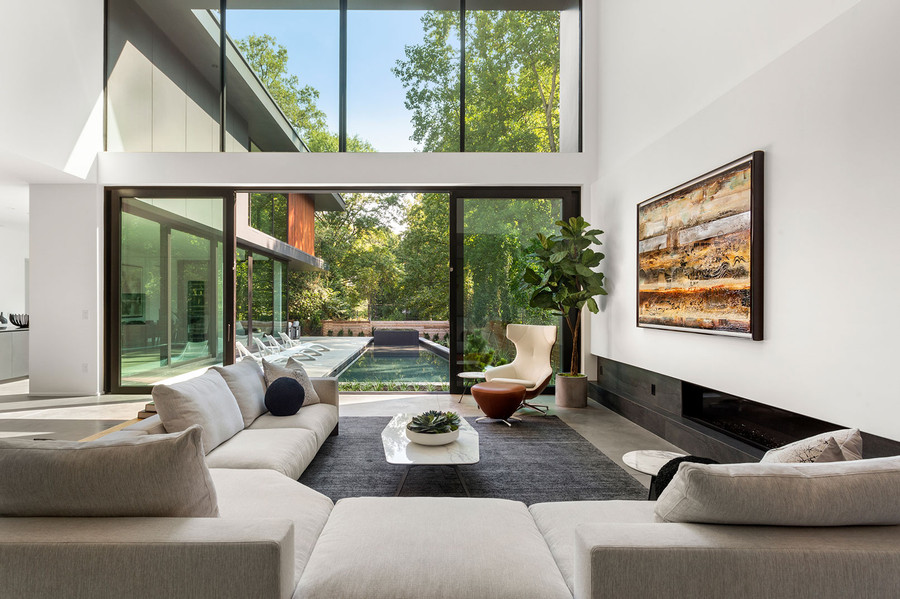
Designing seamless interiors is an art form that blends aesthetics with functionality, ensuring every element within a space feels connected and harmonious.
Modern interior design thrives on simplicity, flow, and intentionality, yet achieving this effect requires more than just choosing matching furniture or sticking to a neutral palette. Seamless interiors demand balance, proportion, and a careful orchestration of design principles that unify each corner of a home into a holistic experience.
The Concept of Seamless Design
Seamless design is not about making every room look identical but about ensuring that each space relates to the other with natural continuity. It involves creating visual flow, where the eye travels effortlessly from one part of a room to another, and from one room into the next.
This kind of intentional design doesn’t happen by chance. It requires thoughtful planning of scale, color, materials, and spatial arrangement.
Key aspects include:
- Balance: Ensuring no single piece dominates the room without counterbalance.
- Proportion: Matching furniture scale with room size to avoid overcrowding or emptiness.
- Flow: Guiding movement and sightlines naturally, so the space feels intuitive and effortless.
- Unity: Incorporating repeating motifs, tones, or finishes that tie together various zones.
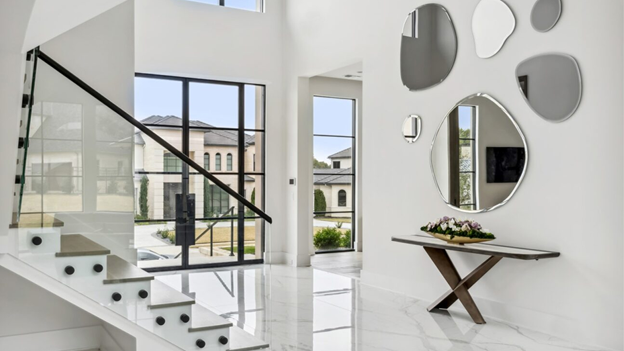
The Importance of Balance and Flow
Balance and flow act as the backbone of seamless interiors. Balance can be symmetrical, asymmetrical, or radial, but it should always foster stability.
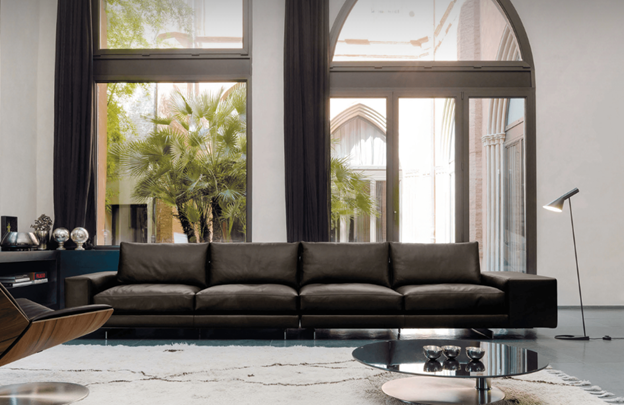
In modern interior design, asymmetrical balance is often preferred: a large sectional sofa might be balanced by a striking floor lamp and a cluster of smaller accent chairs rather than another large sofa.
Flow, on the other hand, is achieved by considering pathways, transitions between rooms, and how natural light interacts with furniture placement. Open-concept layouts particularly benefit from flow-centric thinking: kitchens should merge into dining areas gracefully, and living spaces should feel like a continuation rather than a disruption.
Key Furniture Pieces to Consider
Furniture is the anchor of any seamless interior. Each piece should serve both aesthetic and functional purposes while harmonizing with others. Some essentials include:
- The Sofa: In contemporary interiors, the sofa often sets the tone. A low-profile modular sofa or modern sectional with clean lines can create versatility, adapting easily to different arrangements.
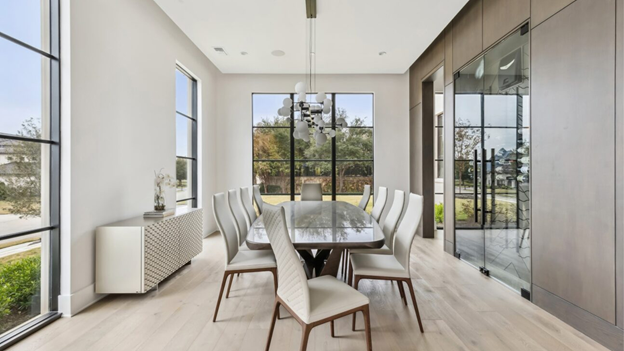
- Dining Table: A sleek, minimalist dining table anchors communal gatherings and should complement both kitchen finishes and living room accents.
- Accent Chairs: Sculptural chairs serve as focal points, adding dynamism without clutter. Designers often use them to introduce texture or bold color.
- Lighting Fixtures: Pendant lights, sconces, and contemporary floor lamps are critical in shaping mood. In seamless interiors, lighting acts as both art and utility, connecting spaces through repeated finishes or design language.
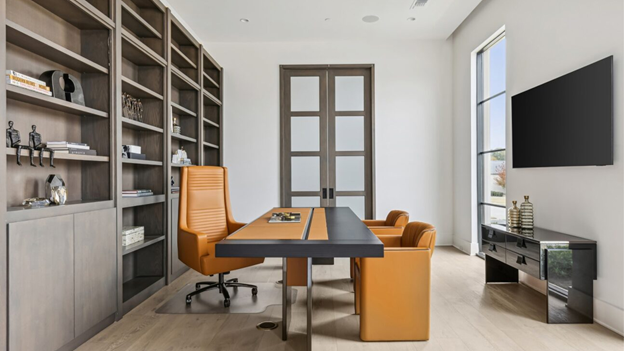
- Storage Solutions: Built-in cabinets or wall-mounted shelving keep visual lines clean, preventing the eye from stumbling over excess clutter.
Each furniture choice should be intentional, contributing to flow without overwhelming the design.
Contemporary Design Principles for Seamlessness
Modern interiors rely on several guiding principles to achieve cohesion:
Minimalism with Warmth
Clean lines and simplicity are central to modern design, but sterile minimalism can feel cold. Introduce warmth with natural textures like oak, linen, or wool. Even in a muted palette, these textures add depth and make the space inviting.
Neutral Foundations with Accents
Seamless design typically builds on a neutral base: whites, grays, beiges, or soft taupes, allowing accent colors to weave in subtly. Instead of abrupt contrasts, tones should shift gently from one space to the next, maintaining flow.
Material Continuity
Flooring is one of the most powerful tools for seamless design. Consistent hardwood, stone, or polished concrete flooring across multiple rooms prevents visual breaks. Similarly, repeating metal finishes on fixtures and handles ties spaces together.
Open Space and Airiness
Negative space is as important as filled space. Allowing breathing room between furniture and maintaining uncluttered sightlines ensures fluidity and lightness.
Functional Zoning
Even in open layouts, seamless interiors maintain distinct zones for living, dining, and working. Rugs, lighting, or subtle shifts in wall treatments can define these areas without fragmenting the overall flow.
Important Elements Beyond Furniture
While furniture often takes center stage, other key design elements contribute equally to seamless interiors:
- Lighting Strategy: Natural light should be maximized through large windows, sheer drapery, or strategically placed mirrors. Artificial lighting should layer ambient, task, and accent lighting for harmony.
- Textures and Fabrics: Upholstery, rugs, and curtains add softness, preventing spaces from feeling rigid. Repetition of textures across rooms creates a sense of rhythm.
- Art and Décor: Artwork should be curated with intentionality: either through cohesive framing, complementary color palettes, or a unifying theme. Even eclectic collections can appear seamless if tied together by a dominant hue or medium.
- Color Psychology: Soft gradients of color help maintain calm transitions between spaces, while bold accents should be strategically placed to draw the eye naturally.
- Technology Integration: In contemporary design, seamless also means hidden. Built-in speakers, recessed lighting, and concealed wires allow modern functionality without visual noise.
Creating a Sense of Continuity
To create interiors that feel whole, skilled interior designers often rely on repetition and rhythm. A brushed metal used in the kitchen faucet might reappear as a coffee table base in the living room. The curve of an armchair might echo in an arched doorway. These subtle continuities form subconscious links that elevate the design from decorated rooms to a truly integrated environment.
Another technique is sightline planning. Standing in one part of the house, you should be able to visually connect elements in the distance, whether it’s a color, a material, or an architectural detail. This reinforces flow and makes the home feel larger and more intentional.
Design Seamless Interiors With Cantoni
Designing seamless interiors is a process of orchestration, where every detail works in concert to create balance, flow, and unity. From furniture and materials to color palettes and lighting, each choice contributes to a space that feels effortlessly cohesive.
The modern design aesthetic emphasizes clean lines and functionality, but the true magic lies in the subtleties discussed above: textures repeated across rooms, gentle shifts in color, and furniture that feels both sculptural and purposeful.
When done well, seamless interiors transcend fleeting (and often incoherent) style trends. They create spaces that not only look beautiful but also feel intuitive, calming, and complete, a true reflection of harmony between design and daily living.
Looking to capture this degree of refinement and intentional design in your own space? Let Cantoni’s designers bring your vision to life. Get in touch with us today for a consultation, or explore our interior design portfolio for inspiration.


 undefinedundefined$0
 undefinedundefined$0