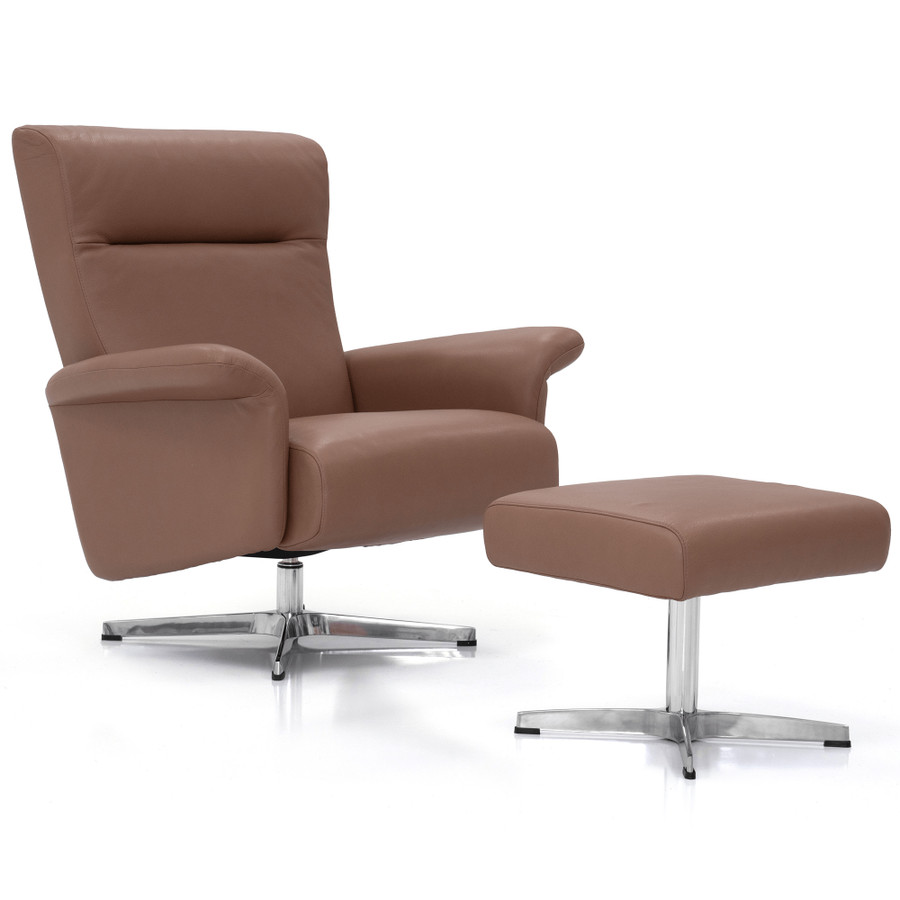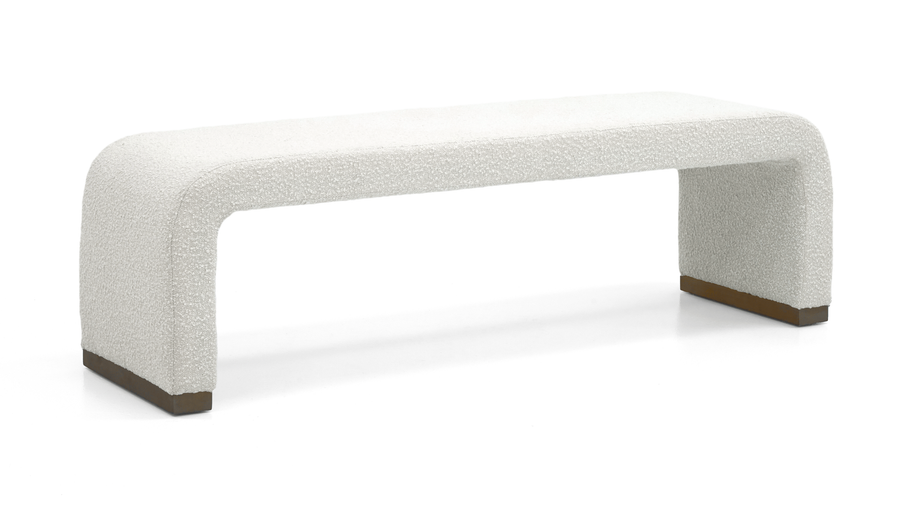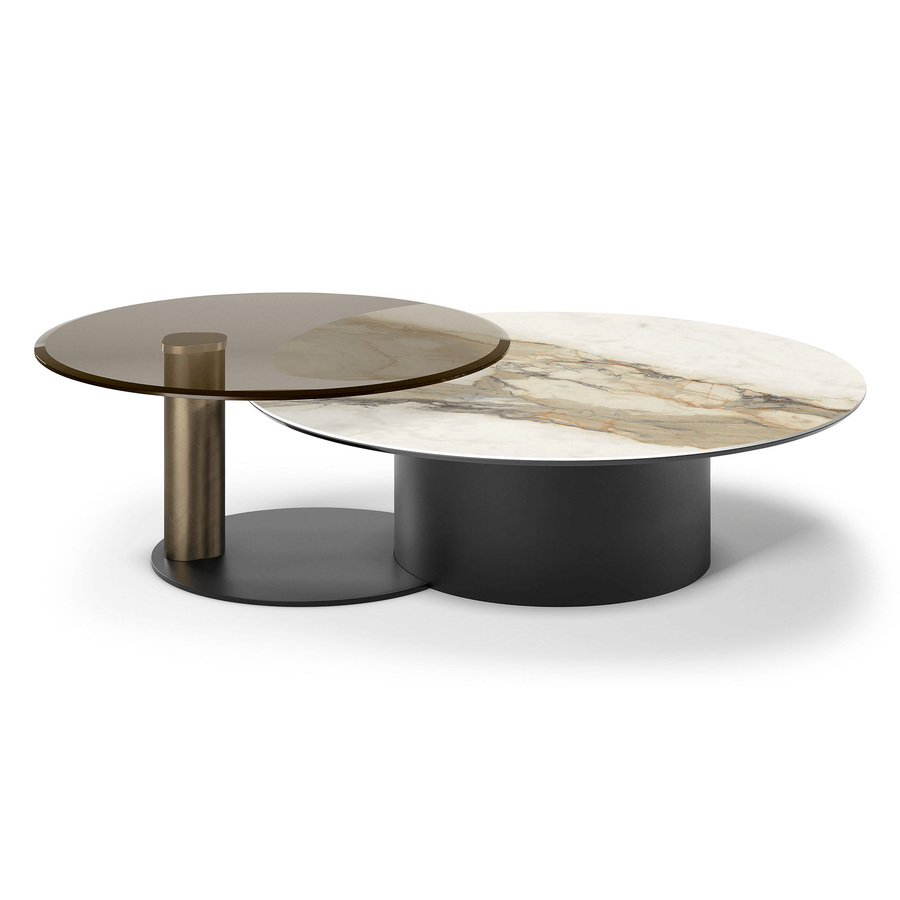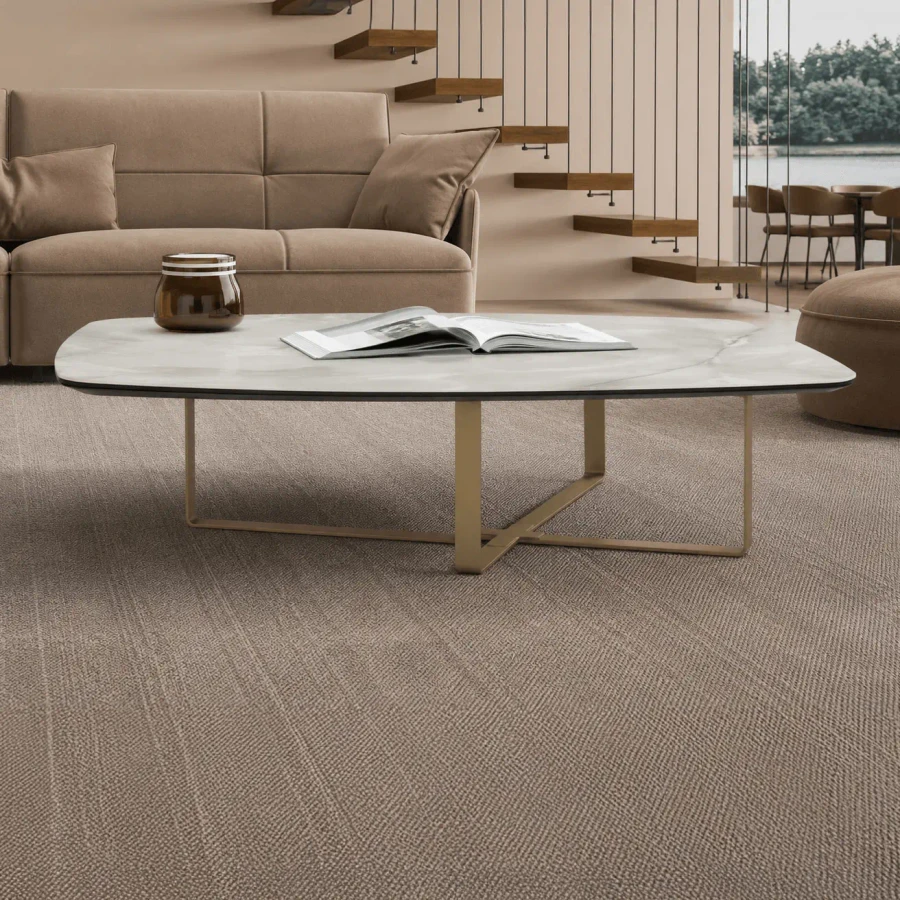
As we step into 2025, the world of luxury interior design continues to evolve, seamlessly blending timeless sophistication with contemporary innovation. This year, furniture takes center stage, defined by bold color palettes, indulgent textures, sculptural shapes, and a reverence for artisanal craftsmanship. The result is a curated approach to interiors that prioritize both aesthetic appeal and sensorial delight. Let's delve into what's shaping the high-end design landscape in 2025.
THE RETURN OF RICH, SATURATED HUES
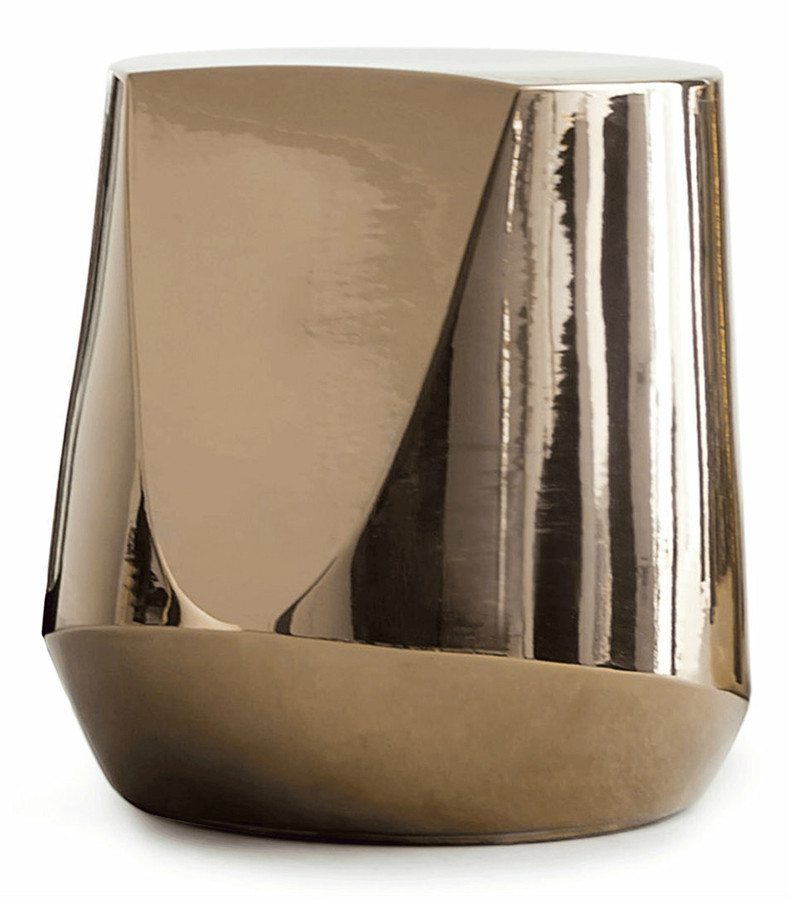
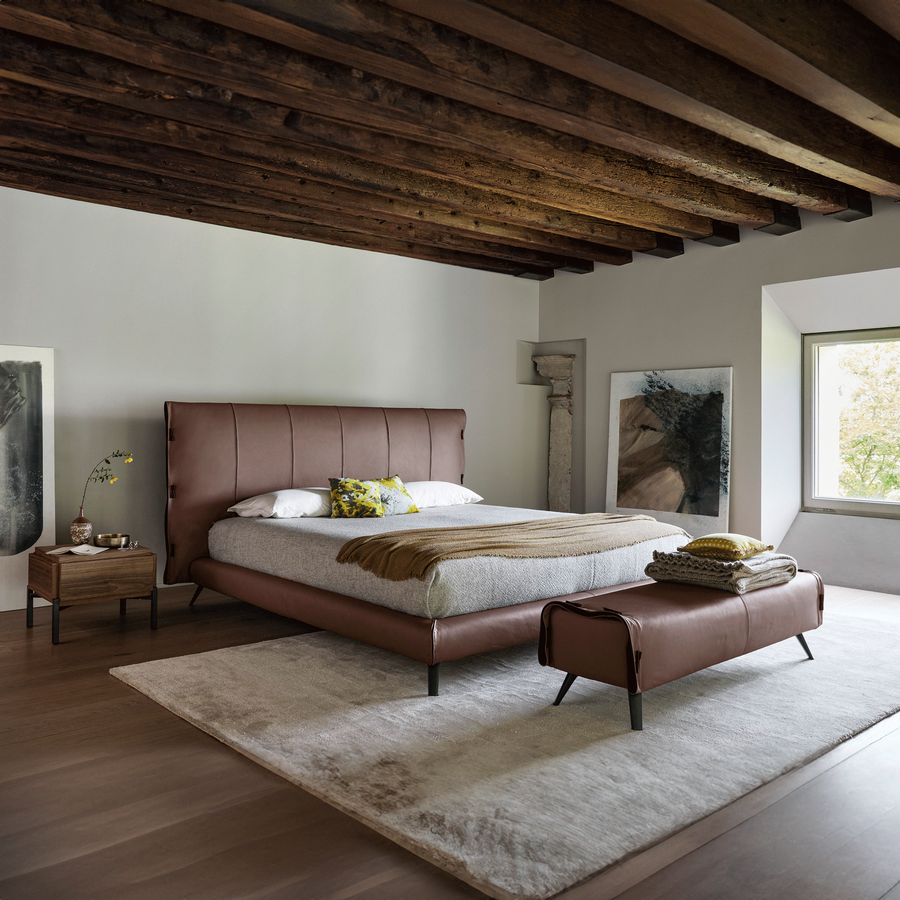
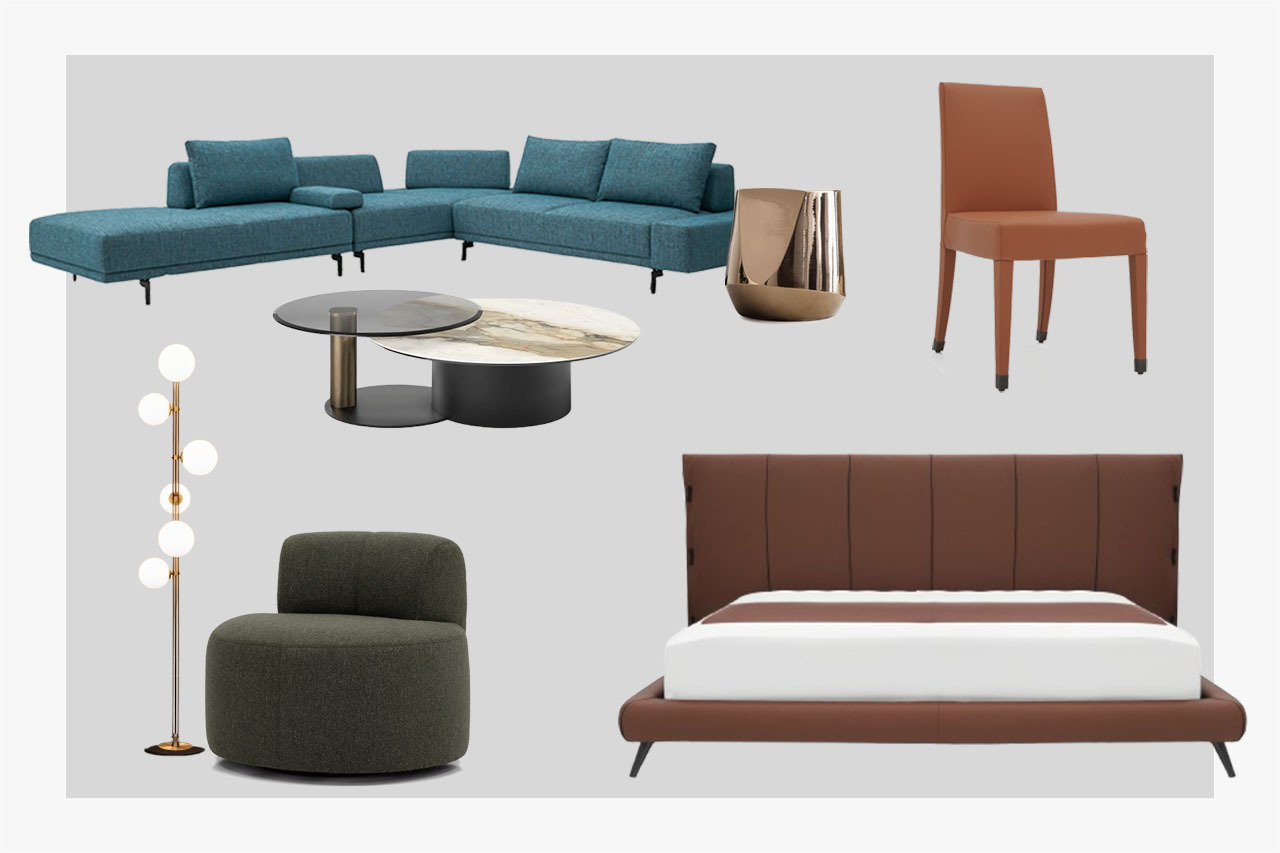
Neutrals have long been the cornerstone of luxury interiors, but in 2025, designers are embracing a more audacious approach to color. Deep jewel tones such as emerald green, sapphire blue, and amethyst are making a statement in upholstery and accent pieces. Earthy hues–burnt sienna, terracotta, and ochre–add warmth, evoking a sense of organic luxury. These colors, paired with rich metallic accents in brushed gold or antique bronze, create a palette that exudes both opulence and depth.
This bold embrace of color reflects a shift toward a more personalized, expressive approach to design, where spaces are becoming more than just visually stunning–they're becoming an extension of individual identity. Warm, vibrant hues are being used to evoke emotion and set the tone, while unexpected color pairings add a sense of playfulness and intrigue. Designers are also using these rich tones to create focal points and draw attention to key architectural features or statement furniture pieces, making each room feel dynamic and alive with energy.
THE RISE OF TACTILE OPULENCE
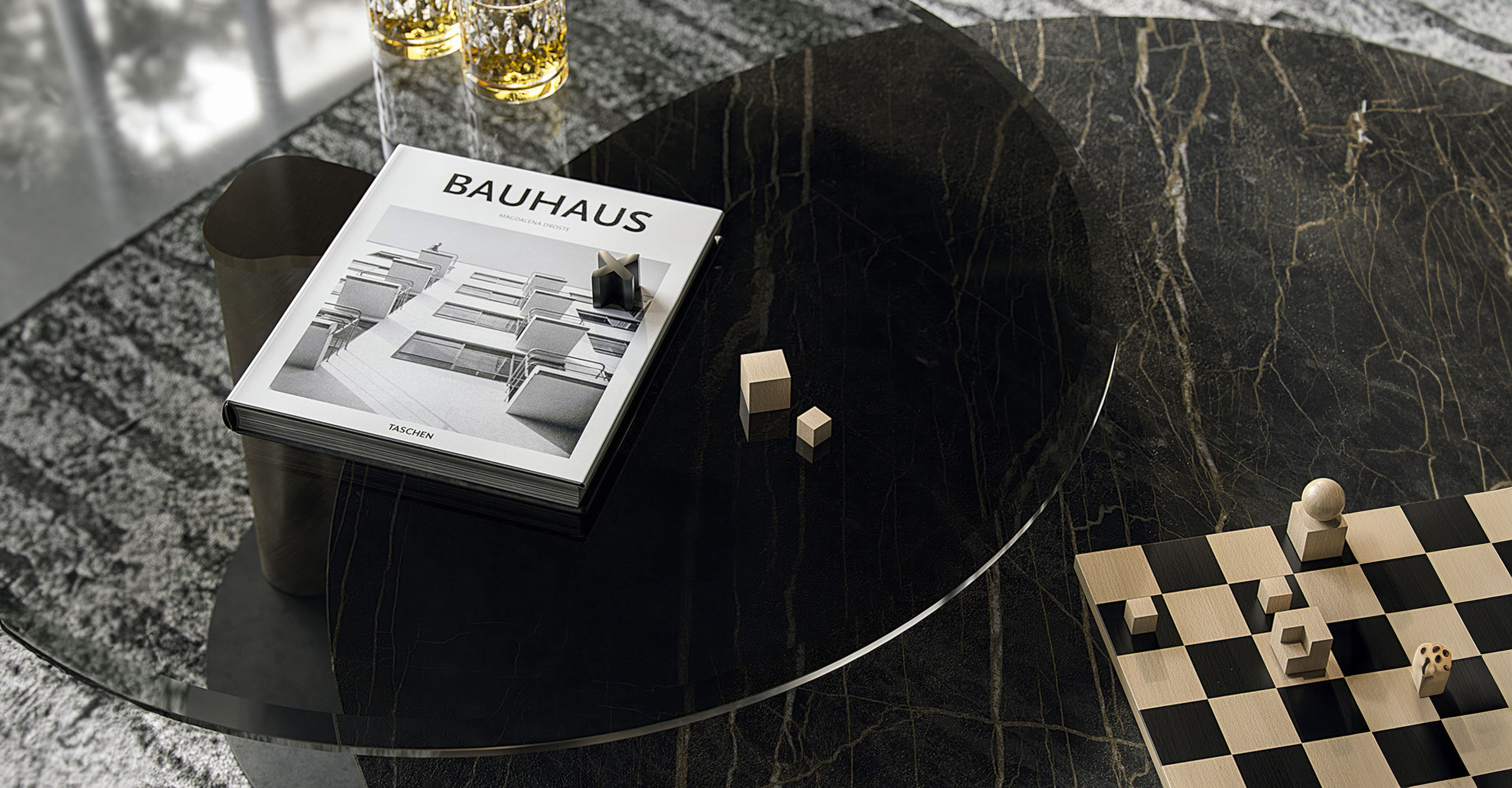
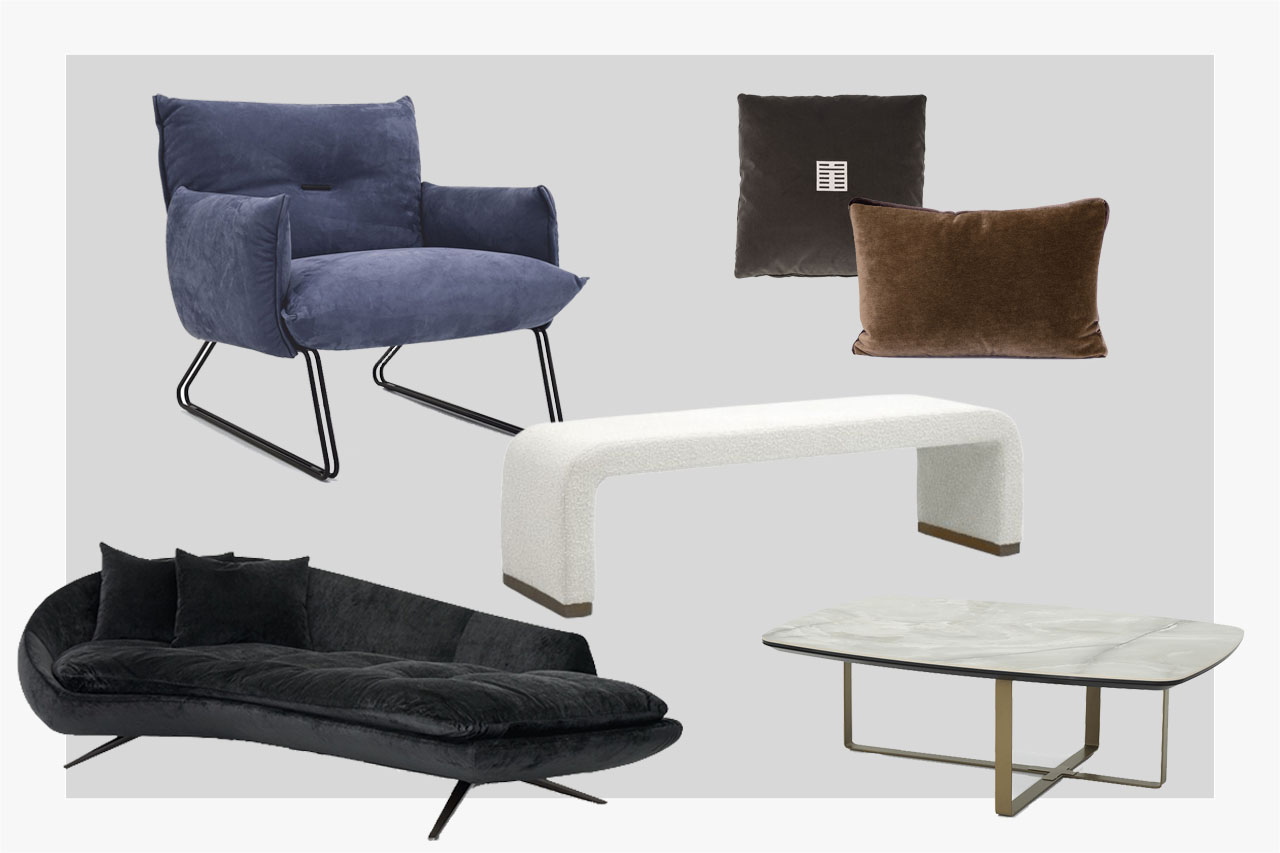
Textile is playing an increasingly vital role in luxury furniture design. Sumptuous bouclé remains a favorite, but it is now joined by velvet, mohair, and chenille, adding layers of depth and dimension. Leather and suede in unexpected colors enhance the sensory experience, while sculptural wood grains and veined marble serve as natural statements of elegance. Mixed-material compositions–such as raw stone juxtaposed with polished brass or smooth lacquer against matte finishes–further elevate the tactile allure of interiors.
As tactile experiences become integral to creating immersive spaces, designers are experimenting with a variety of textures that invite both touch and visual intrigue. The blending of materials like linen with silk, or wool with metallic threads, creates an unexpected harmony, resulting in a rich sensory journey. These combinations not only enhance the feel of a space but also contribute to its overall mood, inviting relaxation, warmth, or even sophistication. Layering these materials thoughtfully–across furniture, walls, and accessories–adds complexity, depth, and an undeniable sense of luxury that is both visible and felt.
SCULPTURAL SILHOUETTES AND ORGANIC FORMS
The days of rigid geometry are giving way to fluidity and movement in furniture design. Sofas with sinuous curves, undulating coffee tables, and freeform seating arrangements create an effortless flow in contemporary interiors. Inspired by biomorphic and mid-century influences, these pieces not only provide visual intrigue but also foster a sense of comfort and harmony. Oversized, asymmetrical sofas and armchairs with exaggerated proportions are key statement pieces, reflecting a departure from traditional furniture layouts.
The shift toward organic forms is not just about aesthetics; it also prioritizes the human experience, encouraging more relaxed, intimate interactions within a space. By embracing unconventional silhouettes, designers are creating environments that feel dynamic and alive, offering a counterbalance to the straight lines and sharp angles of past trends. These fluid designs allow for more adaptable spaces, where furniture is arranged with a focus on personal comfort, spontaneity, and connectivity. Whether through sweeping lines or soft, enveloping shapes, this new approach invites a more fluid, organic connection between the design elements and those who inhabit the space.
THE ART OF BESPOKE CRAFTSMANSHIP
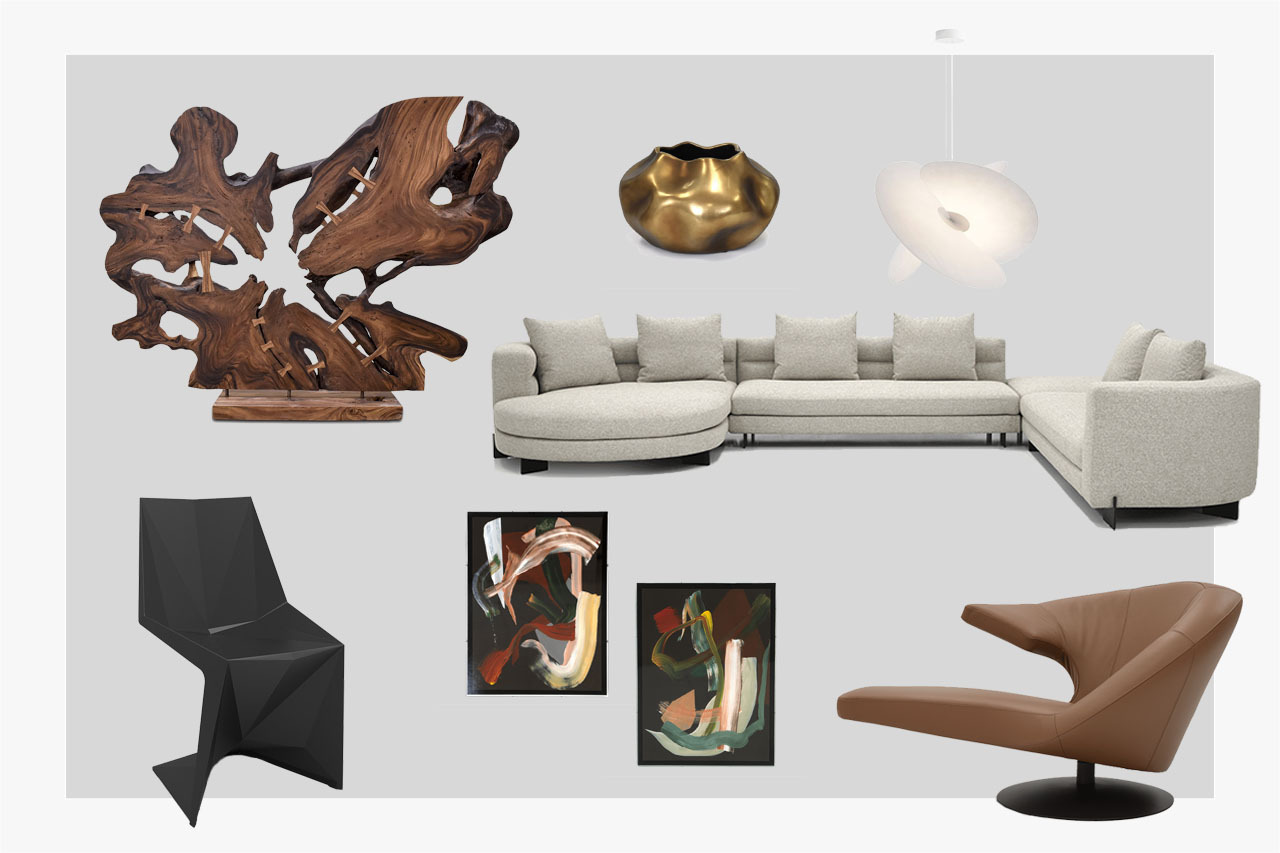
Customization reigns supreme in 2025, with discerning clients seeking one-of-a-kind furnishings that reflect their personal aesthetic. Artisanal craftsmanship takes precedence over mass production, with handcrafted furniture showcasing intricate wood inlays, hand-stitched detailing, and sculpted metalwork. Limited-edition and collectible design pieces blur the line between furniture and fine art, celebrating individuality and exclusivity in high-end interiors.
This movement toward bespoke design is not only about personalization but also about embracing storytelling through furniture. Each piece becomes a unique expression of craftsmanship, often inspired by cultural heritage or the designer's own artistic vision. Clients are increasingly seeking designs that have meaning–whether through the use of heirloom-quality materials, handpicked stones, or special finishes that reflect their values or history. With custom pieces, interiors no longer simply serve functional purposes; they become narratives, woven into the fabric of the home, offering a deeper connection to the space. Read through our Behind the Curtain article with celebrated designer Joshua Rice and discover his fascination with new, vintage, and obscure elements that ultimately creates a unique environment that feels special and intentional.
A FUSION OF MODERN AND HERITAGE STYLES
While contemporary minimalism continues to influence luxury interiors, there is a renewed appreciation for heritage design elements. Traditional craftsmanship meets modern sensibilities in furniture that incorporates classical motifs, from Art Deco-inspired cabinetry to neoclassical moldings on modern pieces. The fusion of old and new results in spaces that feel both timeless and forward-thinking, effortlessly blending grandeur with understated elegance.
This blend of past and present is creating a sense of continuity, where historical design languages are reinterpreted in fresh, contemporary ways. The juxtaposition of intricate detailing, such as hand-carved woodwork or ornate stone carvings, with sleek, modern silhouettes introduces an exciting tension between eras. These hybrid designs offer a sophisticated way to celebrate the past while embracing modern innovations in materials and technology. The result is a harmonious balance, where traditional craftsmanship is not just preserved but revitalized, adding richness and depth to luxury interiors. Cantoni designer Danna Mao, alongside renowned real estate developer and builder Bobby Dadvar, produced the perfect example in this stunning Laguna Beach home, originally designed by celebrated architect Garett van Pelt in the 1930s.
SUSTAINABLE LUXURY TAKES CENTER STAGE
Sustainability is no longer a niche consideration but a defining principle in high-end design/ Ethical sourcing, reclaimed materials, and eco-conscious craftsmanship are integral to the luxury furniture market in 2025. Recycled metals, FSC-certified woods, and innovative bio-based fabrics are gaining popularity, offering both aesthetic beauty and environmental responsibility. Designers are prioritizing longevity, crafting investment pieces that transcend fleeting trends in favor of enduring quality.
As the demand for sustainable luxury grows, brands are increasingly transparent about their sourcing and production processes, empowering consumers to make more informed choices. This shift is not just about reducing environmental impact; it's also about creating spaces that foster well-being through natural materials and healthier environments. Sustainable design is redefining luxury, focusing on the creation of timeless, meaningful pieces that honor both the planet and the people who inhabit these spaces. With an emphasis on craftsmanship, sustainability is becoming synonymous with elevated design.
STATEMENT LIGHTING AS A FOCAL POINT
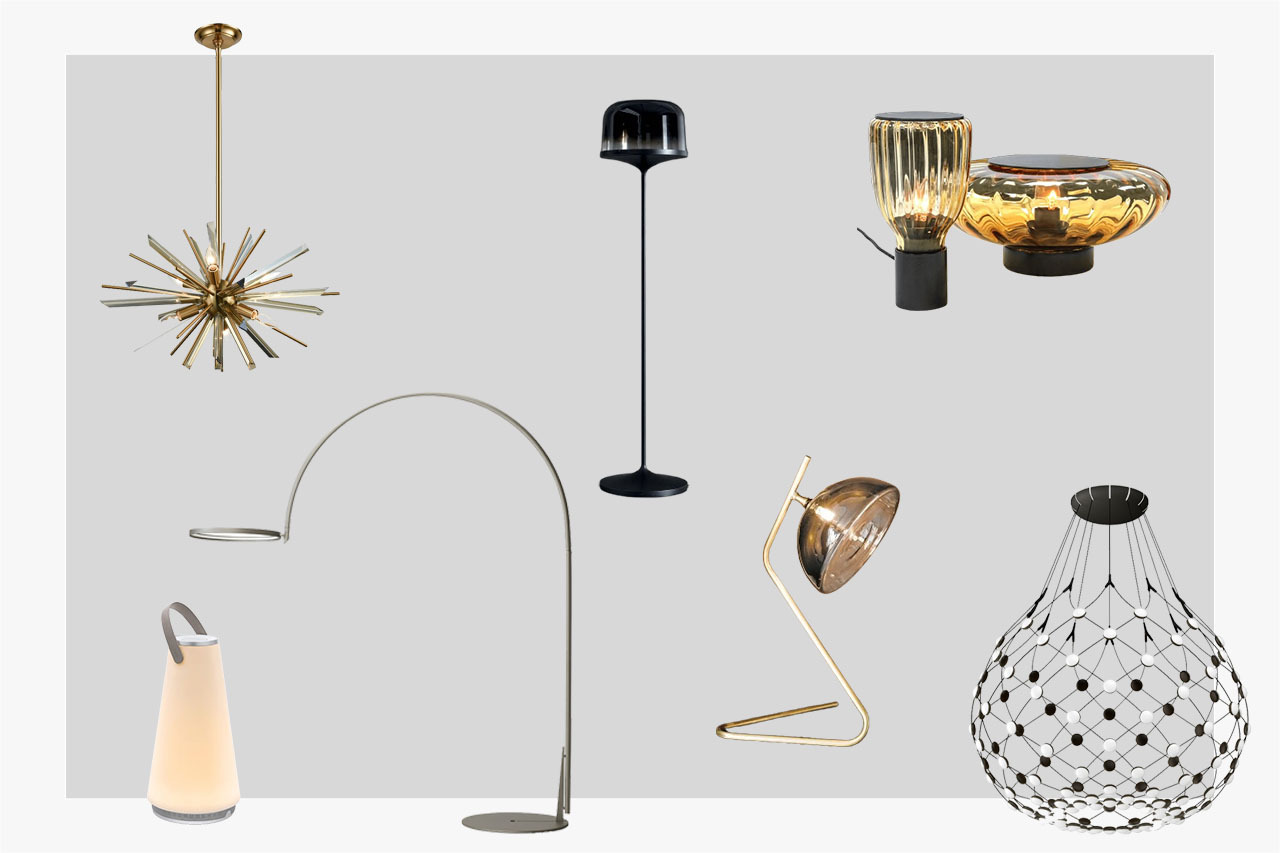
Lighting in 2025 is no longer just functional–it is an artistic expression. Oversized pendant lights, sculptural chandeliers, and bold floor lamps act as focal points in interiors. Organic materials such as alabaster and smoked glass are juxtaposed with metal finishes, creating dramatic yet refined compositions. The interplay of light and shadow enhances the ambiance, adding an ethereal dimension to luxury spaces.
This evolution of lighting design reflects a shift toward creating atmospheres that evoke emotion and set the tone of a room. Designers are using light fixtures not only to illuminate spaces but also to sculpt them, casting dynamic shadows and highlights that change throughout the day. With the use of cutting-edge technologies such as dimming features and color-changing LEDs, these pieces are highly customizable, allowing the lighting to adapt to different moods and activities. Whether it's the soft, warm glow of an alabaster lamp or the striking contrast of a geometric metallic fixture, lighting is now an essential tool for expressing personal style and enhancing the overall design narrative of a space.
THE EVOLUTION OF INDOOR-OUTDOOR LIVING
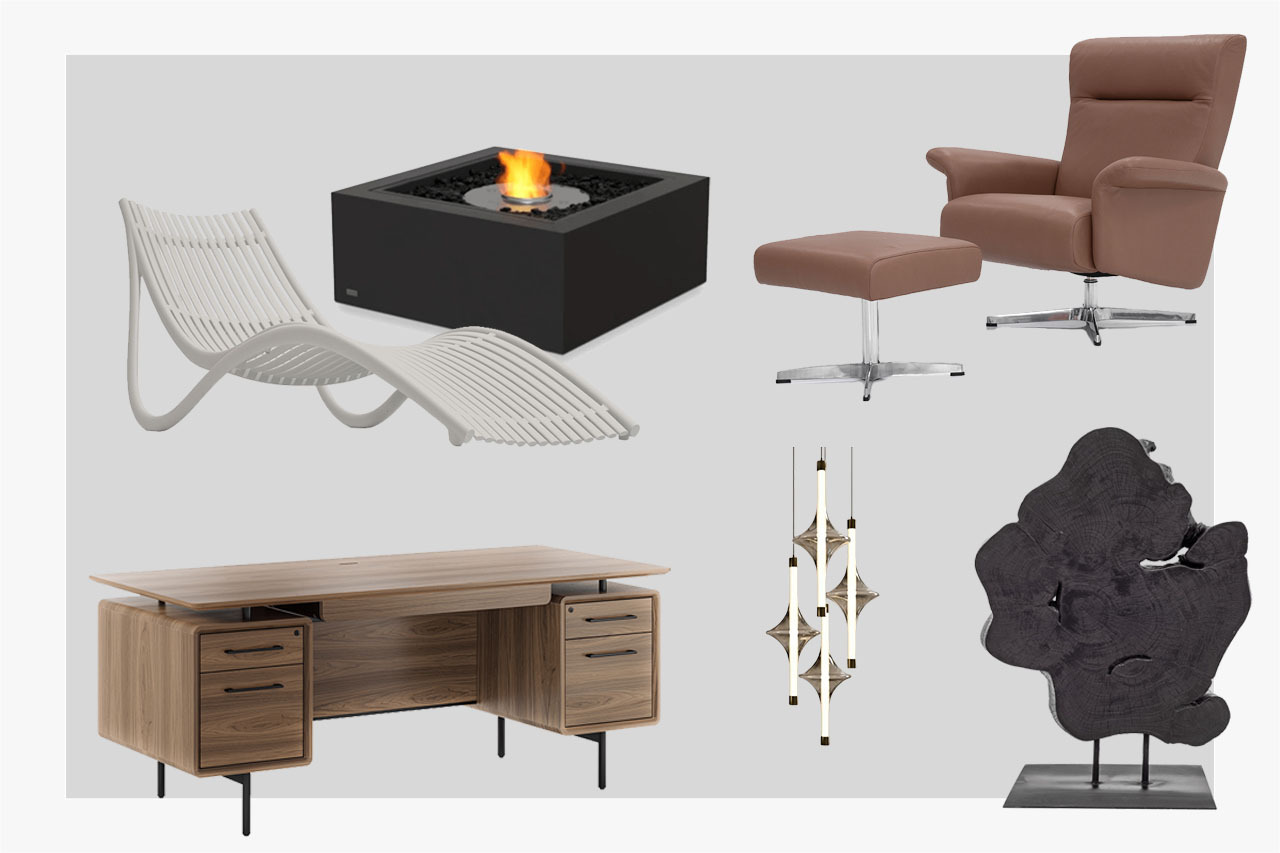
Blurring the boundaries between indoor and outdoor spaces remains a dominant theme this year. High-end furniture collections are designed with versatility in mind, featuring weather-resistant yet luxurious materials that seamlessly transition between interior and exterior settings. Teak, travertine, and performance fabrics ensure durability without compromising on style, creating seamless, immersive environments that embrace nature as an extension of the home.
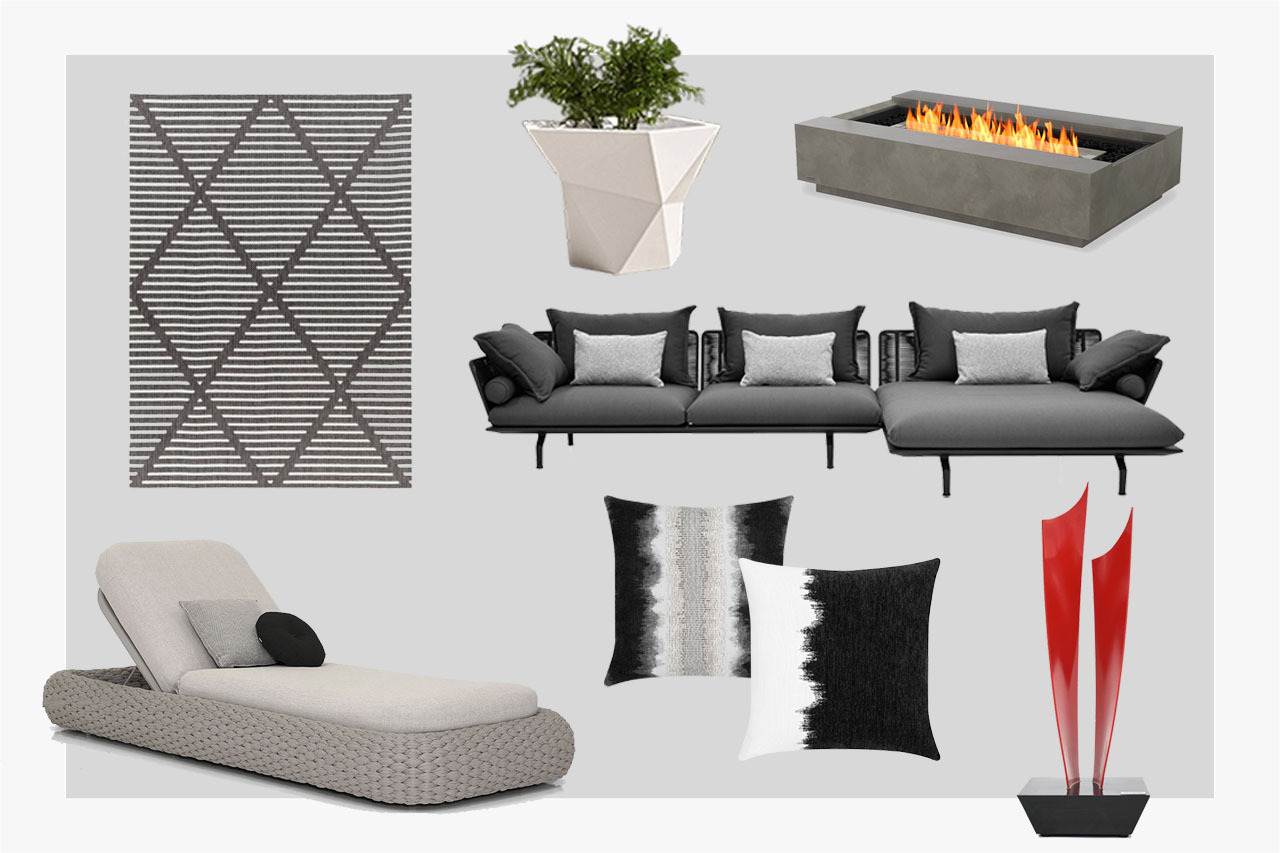
This integration of indoor and outdoor living reflects a growing desire for spaces that foster a deeper connection with nature, allowing for fluid movement between the two. Designers are creating environments that feel open and expansive, where walls and barriers are minimized in favor of large glass doors, open terraces, and inviting garden spaces. The use of natural materials, paired with sleek, modern designs, ensures that these outdoor areas feel like extensions of the home rather than separate spaces. With outdoor kitchens, plush seating, and stylish fire features, these transitional spaces encourage relaxation and socialization, offering a true extension of the luxurious lifestyle indoors.
In 2025, luxury interior design is about more than just aesthetics–it's about creating immersive experiences that engage the senses and tell a compelling story. The interplay of bold colors, rich textures, sculptural forms, and bespoke craftsmanship defines this year's furniture trends, setting the stage for a new era of design that is both daring and deeply personal. Whether through the revival of heritage influences or the pursuit of sustainability, today's interiors celebrate the beauty of evolution while honoring the craftsmanship of the past.