
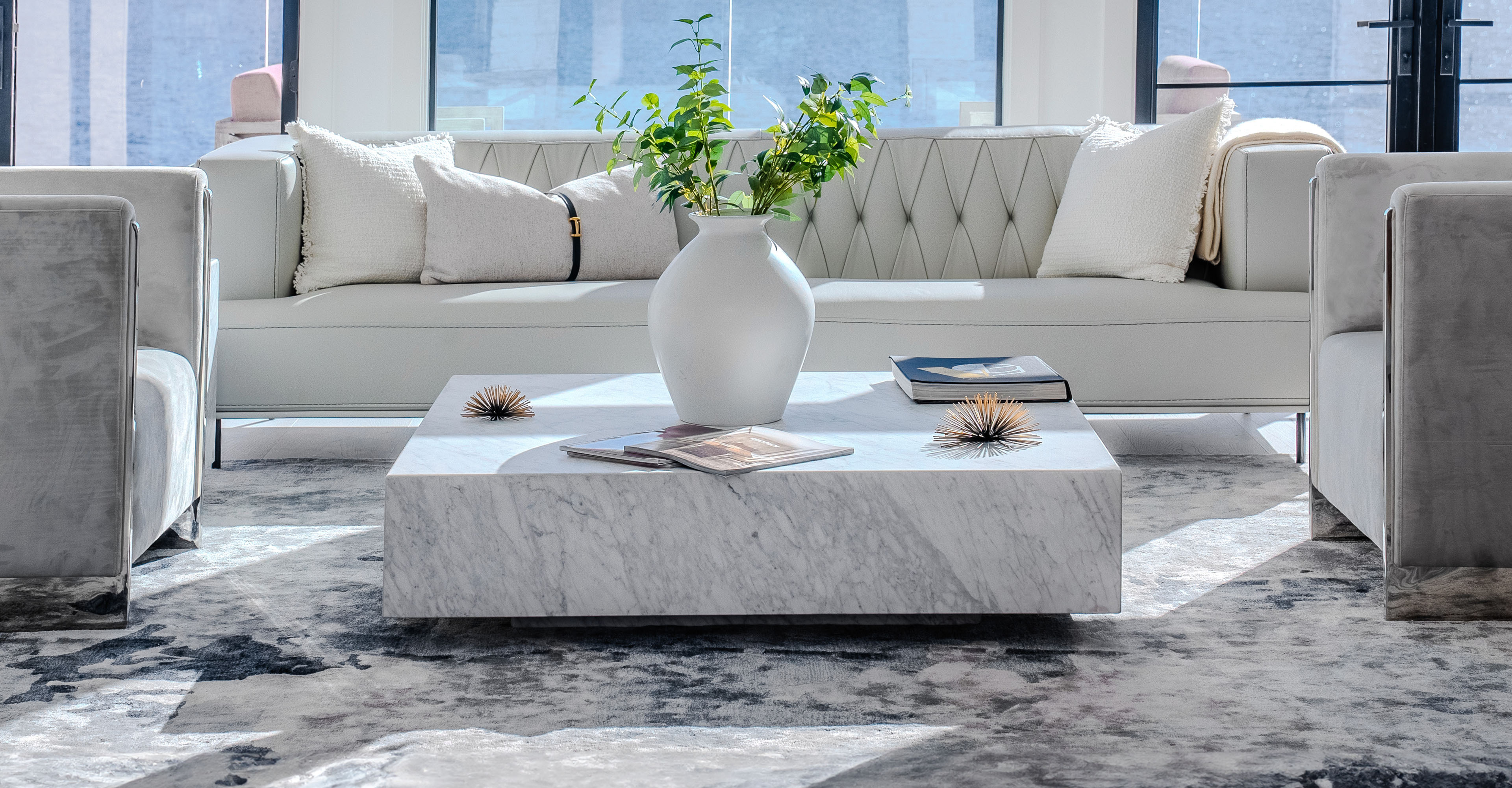
Luxury is often perceived as an indulgence, a market of status, or a celebration of fine craftsmanship. However, beyond its aesthetic and material appeal, luxury furniture plays a profound role in shaping our psychological well-being. The spaces we inhabit significantly influence our emotions, and investing in high-end furnishings can create an environment that nurtures comfort, inspiration, and an enhanced sense of well-being. From the tactile pleasure of sumptuous materials to the harmony of thoughtful design, luxury furniture is not just about decor–it is about cultivating an experience that enriches daily life.
THE SCIENCE OF COMFORT: HOW LUXURY FURNITURE AFFECTS THE BRAIN
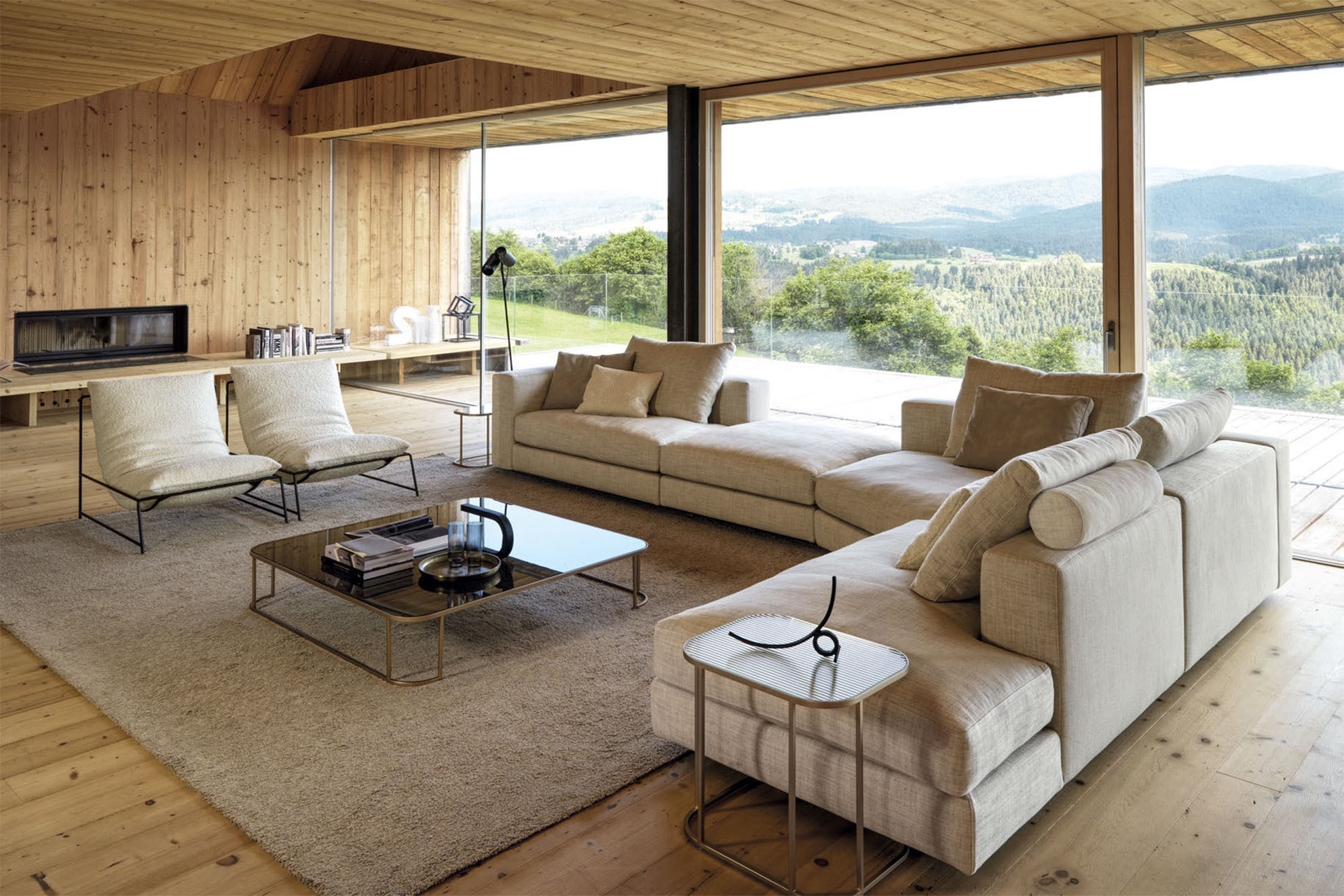 Von Sectional & Rito Chair
Our surroundings shape our psychological state, influencing our stress levels, cognitive function, and overall mood. High-end furniture, designed with precision, quality, and ergonomics in mind, goes beyond mere utility–it fosters relaxation, confidence, and joy. Neuroscientists have found that well-designed interiors trigger positive emotional responses, enhancing feelings of security and pleasure.1 For example, a plush, handcrafted sofa with deep cushions and premium upholstery provides a sensory experience that promotes relaxation, while the seamless flow of a well-curated space can reduce cognitive overload, leading to a clearer, more peaceful mind.
The concept of "neuroaesthetics" explores how beauty impacts brain function, and luxury furniture plays a key role in this phenomenon. Objects that are symmetrically designed, proportionally balanced, and crafted with exquisite attention to detail stimulate the brain's pleasure centers, much like a piece of fine art or a beautifully composed piece of music. This means that investing in well-designed furniture is not just about creating an attractive home–it is about enhancing one's own sense of well-being.
THE TACTILE PLEASURE OF EXQUISITE MATERIALS
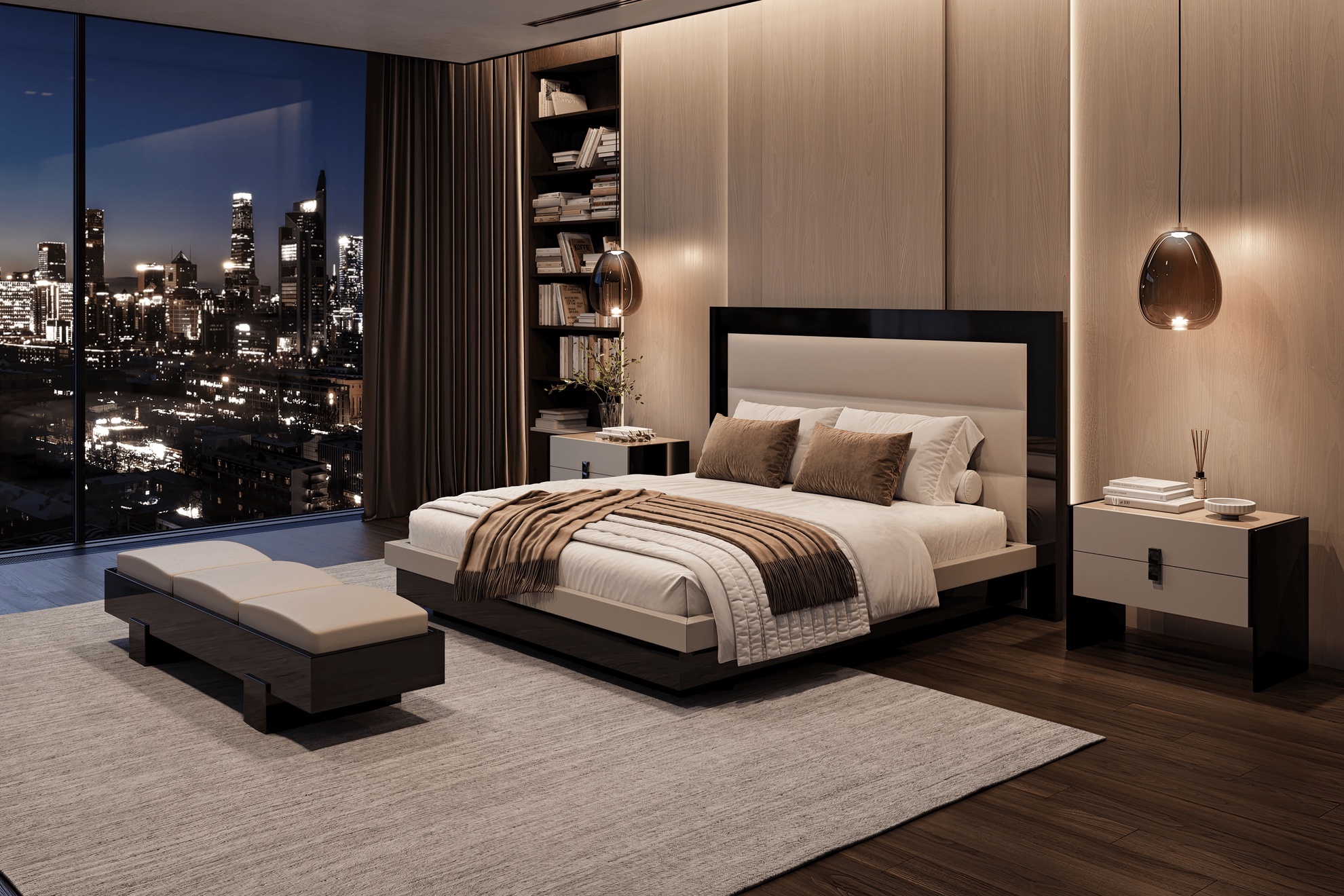 Next Level II King Bed
One of the most immediate ways luxury furniture influences our emotions is through the sense of touch. High-end materials–such as buttery-soft leather, handwoven cashmere, polished marble, and exotic woods–create an experience of comfort and sensuality that mass-produced furniture simply cannot replicate. Studies show that tactile sensations play a significant role in emotional regulation, and the ability to run one's fingers across smooth stone or sink into a down-filled seat can trigger a sense of relaxation and contentment.2
Furthermore, natural materials–like solid oak, organic cotton, and unprocessed wool–can evoke a grounding effect, connecting inhabitants to nature and fostering a sense of balance. The incorporation of such elements into luxury furniture brings warmth and authenticity into a space, reinforcing a sense of peace and well-being.
PERSONALIZATION & THE EMOTIONAL IMPACT OF BESPOKE DESIGN
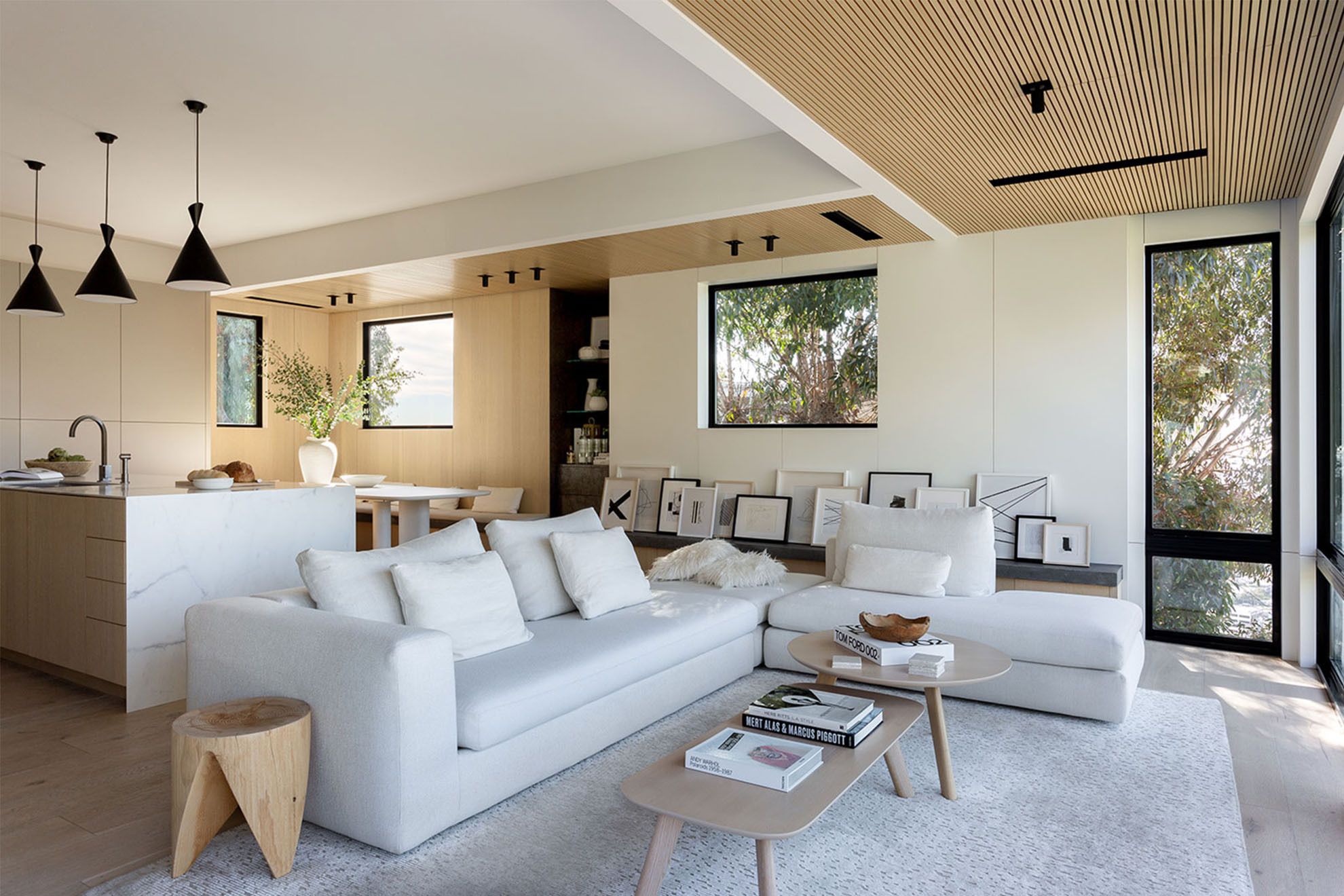 Franklin House, designed by Sean Ames
True luxury lies in personalization. Custom-designed furniture allows homeowners to create spaces that are a direct reflection of their personalities and aspirations. When a piece is crafted specifically for an individual–whether through tailored dimensions, selected fabrics, or a unique design concept–it imbues the space with a sense of identity and emotional resonance. This level of personalization not only enhances the aesthetic value of a home but also fosters a deeply psychological connection to the space, reinforcing a sense of ownership, pride, and joy.
Moreover, the process of selecting and investing in bespoke luxury furniture fosters mindfulness. Unlike fast furniture, which is often purchased impulsively and replaced frequently, high-end pieces are chosen with care and intent, cultivating a greater appreciation for quality and longevity. This mindful approach to interior design contributes to a more fulfilling relationship with one's living environment.
THE ROLE OF SPACE & HARMONY IN MENTAL CLARITY
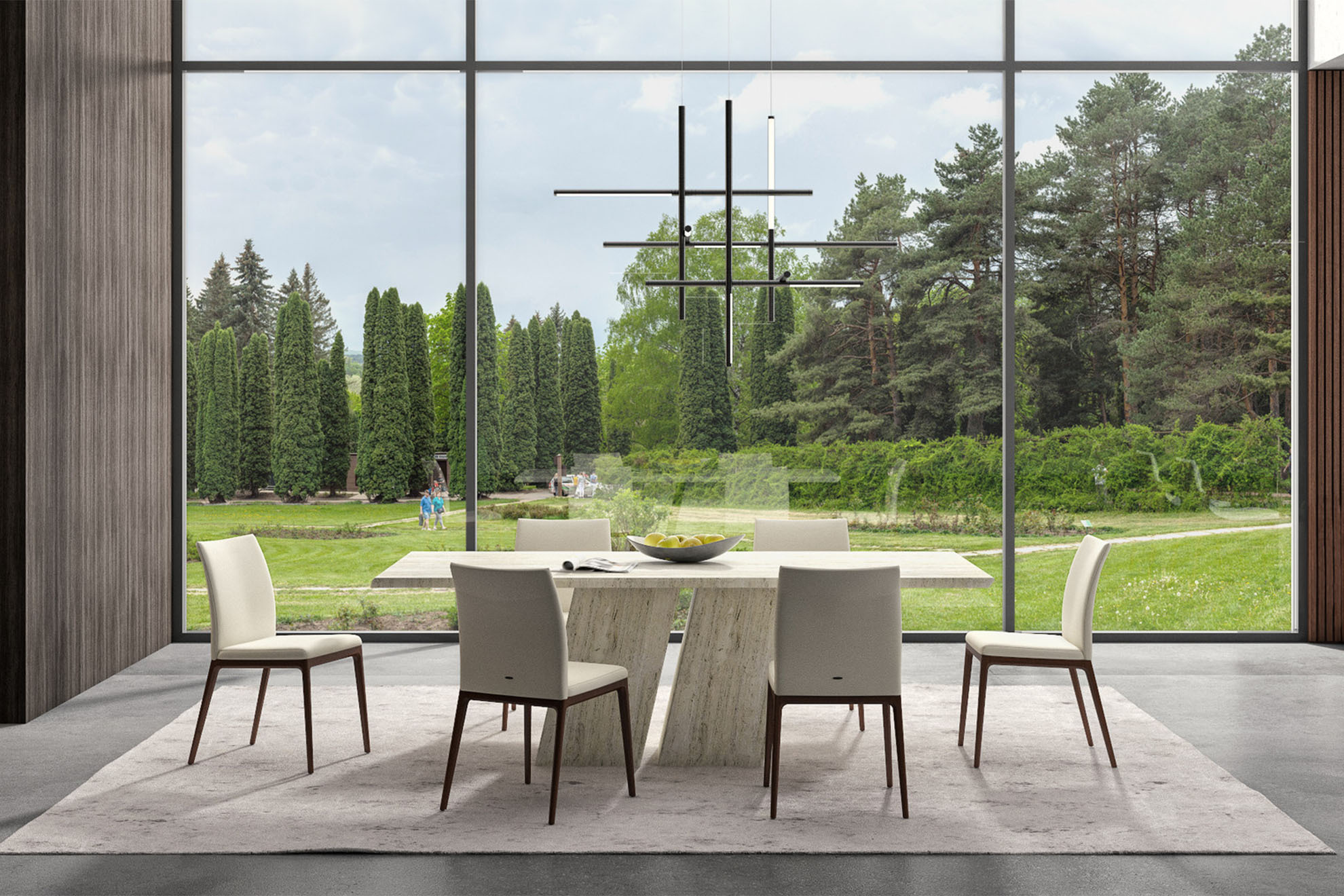 Ermes Dining Table - Travertine Marble
The organization and layout of a space significantly impacts mental clarity and emotional well-being. Luxury furniture is often designed with proportions and placement in mind, ensuring a sense of balance and effortless functionality. Spaces that embrace open layouts, natural light, and thoughtfully placed furniture promotes a sense of calm and expansiveness, reducing stress and fostering creativity.
The principle of biophilic design–incorporating natural elements into interior spaces–further enhances this effect. Luxury brands increasingly embrace biophilic principles by integrating organic shapes, natural materials, and indoor greenery, all of which have been shown to reduce anxiety and improve cognitive function.3 A space furnished with high-end pieces that reflect the organic world fosters a deep-seated sense of well-being, providing a daily sanctuary from the pressures of modern life.
STATUS, CONFIDENCE & THE PSYCHOLOGICAL REWARDS OF OWNERSHIP
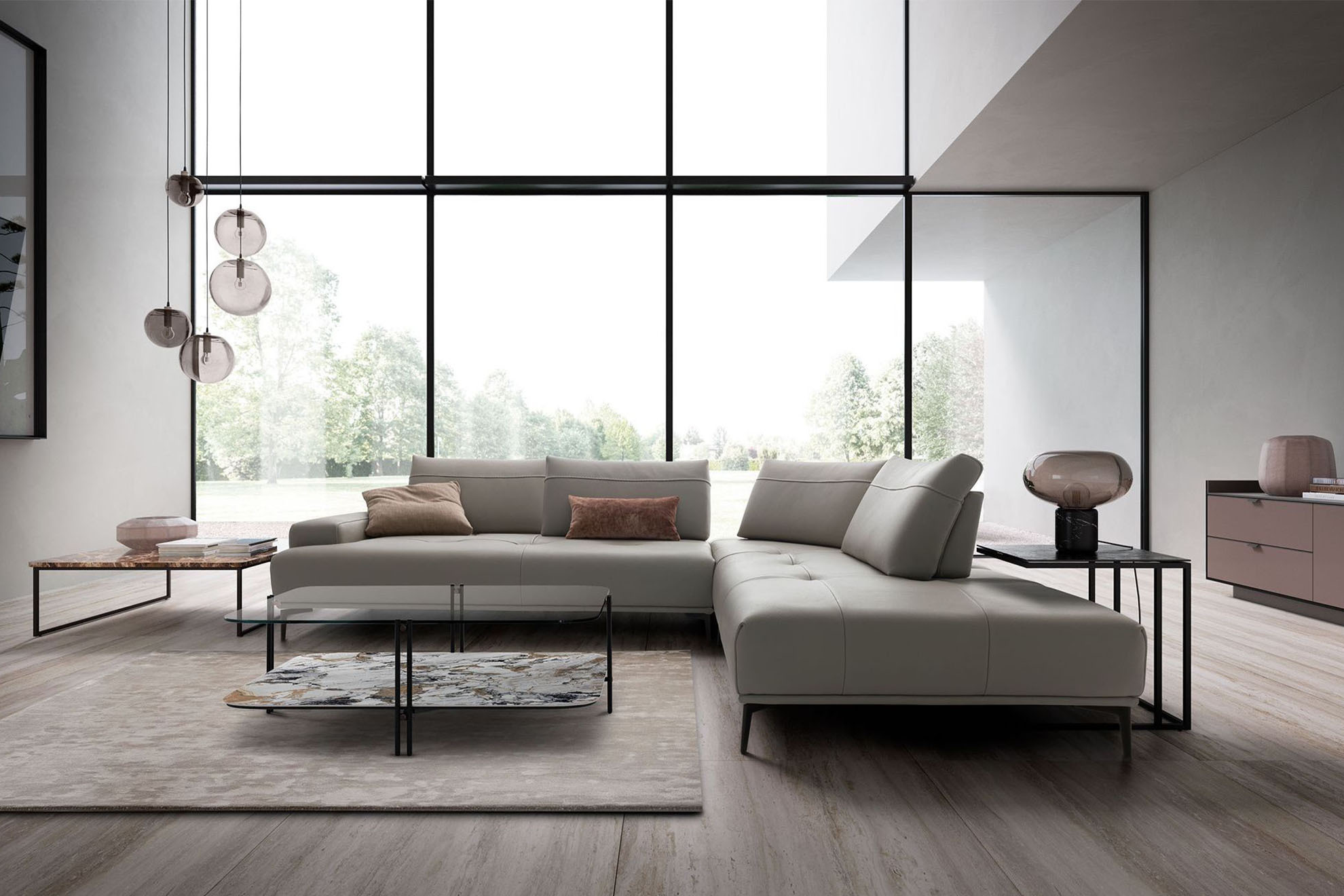 Matteo Sectional
While luxury furniture undoubtedly enhances comfort and aesthetic pleasure, it also carries a psychological dimension linked to self-perception and personal identity. Owning beautifully crafted, high-end pieces can instill a sense of achievement and self-worth, reinforcing confidence and success. The prestige associated with luxury interiors can also impact social interactions, creating an environment that encourages hospitality, connection, and shared experiences.
However, the true reward of luxury furniture is not just in its exclusivity or price point–it is in the daily experience of living with beauty, quality, and craftsmanship. A well-designed home serves as a retreat, a place where individuals can recharge, find inspiration, and feel truly at ease.
Luxury furniture is more than an aesthetic statement–it is an investment in one's emotional and psychological well-being. From the tactile pleasure of fine materials to the harmony of well-designed spaces, high-end furnishings create an environment that nurtures comfort, relaxation, and inspiration. As we continue to spend more time in our homes, the value of thoughtfully curated interiors has never been more apparent. By investing in furniture that elevates both form and function, we cultivate spaces that not only reflect our tastes but also enhance our quality of life in meaningful ways.
2Rodriguez, Micaela, and Ethan Kross. “Sensory Emotion Regulation.” Trends in Cognitive Sciences, vol. 27, no. 4, Feb. 2023
3 Yin, Jie, et al. “Effects of Biophilic Indoor Environment on Stress and Anxiety Recovery: A Between-Subjects Experiment in Virtual Reality.” Environment International, vol. 136, no. 0160-4120, 1 Mar. 2020.